

Indie sleaze never really left. It just got buried under a decade of sans-serif minimalism, Aesop-adjacent neutral palettes, and the relentless optimisation of everything into content. Now it's clawing back, and designers who understand what it actually was, not just what it looked like, are the ones who'll do something useful with the revival.
What Indie Sleaze Actually Was
The rough timeline is 2003 to 2012. Geographically it was New York and London, with satellite scenes in every city that had a basement venue and a photocopier. Culturally it was Vice magazine when Vice was still a free street press, American Apparel's Helvetica-on-flash-photography ad campaigns, Kate Moss at Glastonbury in wellies, the entire visual language of MySpace and early Tumblr, and about ten thousand xeroxed show flyers stapled over each other on telegraph poles.
The defining graphic quality was lo-fi by necessity, not by choice. Photocopiers were a production tool. Cut-and-paste was an actual process involving scissors and glue. Flash photography blown out to full exposure wasn't an aesthetic decision, it was what happened when you shot indoors on a disposable camera with no idea what you were doing. The grain, the bleed, the off-registration colours, the slightly wrong crops: all of it was functional before it was aesthetic. That's what gives the original material its authority. It wasn't trying to look like anything. It just looked like what it was.
The graphic design elements that came out of that period are specific and worth naming. American Apparel-era grotesque type, set large, tight, no frills. Xerox zine textures with their particular mid-grey mush. Handwritten annotations over printed imagery. Magazine cut-out lettering, ransom note logic applied to actual editorial. DIY show flyer composition: things crammed in, overlapping, competing for space. Collage that felt assembled rather than designed. And underneath all of it, a total indifference to polish that read as confidence rather than incompetence.
Why It's Back Now
The short answer is that clean girl and quiet luxury peaked, and then they peaked again, and then they became a parody of themselves. When every brand from a $12 supermarket olive oil to a luxury hotel is using the same off-white wordmark and the same aspirational negative space, the aesthetic stops communicating anything. It becomes wallpaper.
Gen Z's pivot away from curated self-presentation toward something messier and more authentic is well documented at this point. T2Online flagged it directly: "Indie Sleaze is back, wrecking the Clean Girl aesthetic." Fontfabric noted in 2026 that brands are now deliberately breaking polish with grain, messy typography, collage, and weird crops as an intentional design strategy, not a workaround. On the runway, Isabel Marant, Chloé, and Alexander McQueen all showed elements of it in their Fall 2025 collections. The fashion world picked up the signal.
What's different this time is that the designers deploying this aesthetic are doing it consciously. The original was functional. The revival is deliberate. That creates a real craft challenge: how do you make something feel genuinely rough without it feeling like you just ran a Photoshop filter and called it done? The answer is in the quality of your source material and the specificity of your references. Lazy indie sleaze looks like a preset. Good indie sleaze looks like evidence of a process.
What It Means for Your Work
The clients who want this right now are fairly predictable: music acts, independent fashion labels, DTC food and drink brands trying to position against the clean wellness aesthetic, club nights, festival promoters. But the design language is bleeding into editorial, merch, social content, and brand identity work at a pace that suggests it has more runway than a purely trend-driven revival would.
For working designers, the practical question is how to build the aesthetic with enough specificity that it holds up. Generic grain is not indie sleaze. Generic grain is just a texture overlay. The difference is in whether the imperfection has logic: does it look like it came from a real material process? Does it feel like something produced under constraints? Does it have the particular character of a physical medium rather than a digital approximation of one?
That specificity is where the toolkit matters. Here's what we've got in the catalogue that actually serves this direction.
The Production Toolkit
Start with grain, because grain is the foundation. The Risograph Grain Effect by Pixelbuddha is built around screen-printing grain across three intensities, with 50 premade gradients included. Risograph printing is interesting here because it sits precisely at the intersection of the indie sleaze visual world: it was the machine of choice for zine makers and independent publishers throughout the 2000s, and its particular grain quality, with that slightly misregistered, ink-soaked-into-paper quality, is distinct from generic noise. There's more grunge-adjacent work worth digging through if you want to go deeper on grain and texture, but the Riso effect is a strong starting point for anything that needs to feel printed rather than rendered.

The question of what actually goes on the page matters as much as how it's treated. The Collage Collection gives you 500+ cut-out elements built for exactly this kind of assembly-first design logic. Collage is one of the most technically specific elements of indie sleaze; the cut-out quality, the slight imprecision of the edges, the sense that things were physically assembled and then scanned rather than arranged in Illustrator, is what separates a real collage aesthetic from a Pinterest mood board. A pack this size gives you enough variety to build compositions that feel genuinely found rather than composed.

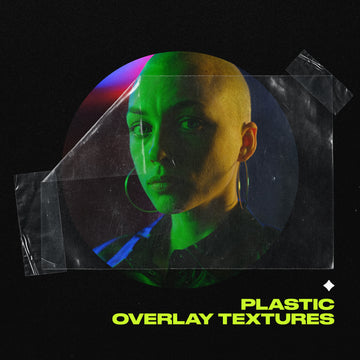
Real dirt is different from simulated dirt. The Scanner Trash Overlay Textures by Afterimagine are exactly what they say: actual flatbed scanner artifacts, captured from real scans. Dust, fibres, smudges, scratches, stains, random debris. No generated grain, no Photoshop filters approximating grime. If you want your work to feel dirty, tactile, and real, this is the pack. The distinction matters because audiences who've grown up on digital media have developed a surprisingly sharp sense for the difference between authentic analog imperfection and a clean design with a texture layer dropped on top at 30% opacity. The scanner artifacts have specificity that generated noise doesn't.

For photography treatment, the 6 Disposable Camera Photo Effect by Studio Dusk handles the image layer of the aesthetic. Disposable cameras are the photographic instrument most closely associated with indie sleaze's visual culture, from the nightlife photography that ran in Vice to the candid festival shots that defined the era's documentation style. The PSD templates give you the film grain, the colour shift, the slight exposure unpredictability of the actual format. For editorial work or any project where photography is central to the aesthetic, this is the obvious tool.

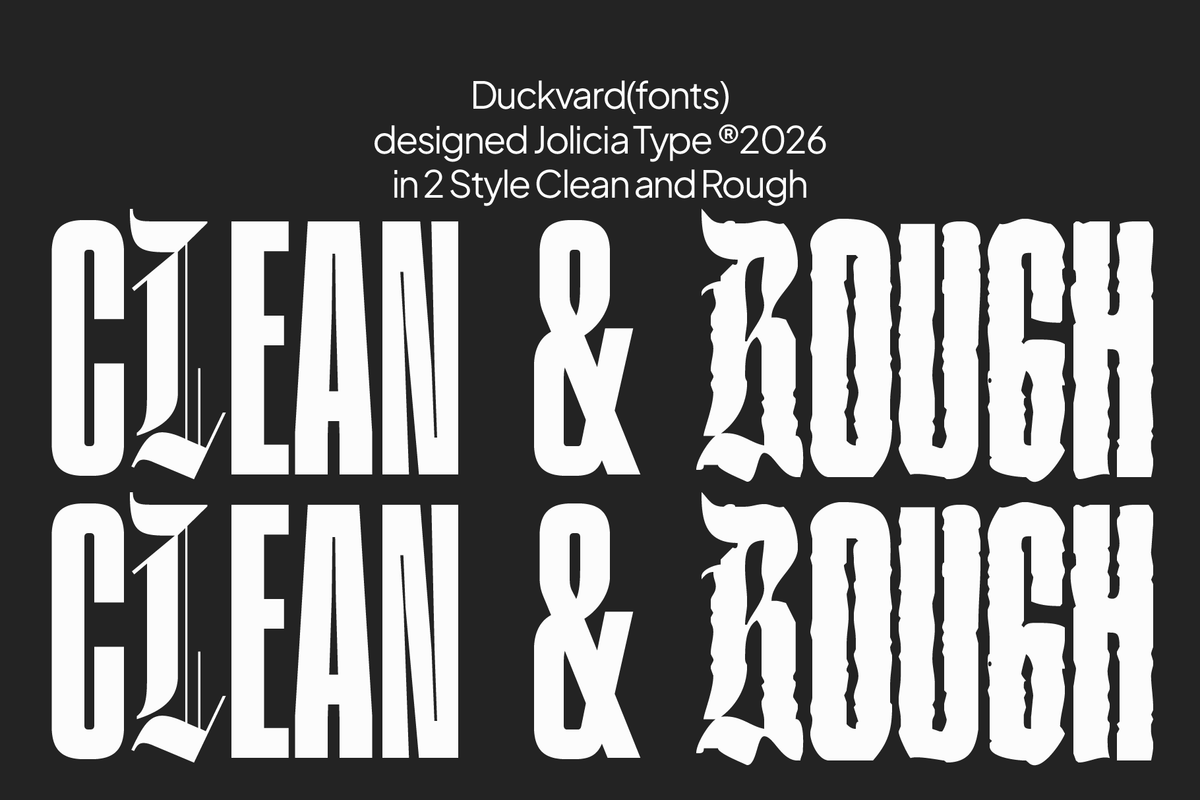
Typography in indie sleaze is its own conversation. The original era leaned heavily on grotesque type used boldly and without apology, but there was also a strong current of handmade lettering, marker on paper, brushwork that looked like it came from a sign painter or a band who did their own flyers. MEGANORS by Enxyclo Studio lives in that second tradition. It's a brush font built from rough hand-painted strokes, the kind of type that reads as genuinely made rather than selected from a font menu. For headline use on poster work, merch, or anywhere you need the type to carry the same material quality as the rest of the design, it does the job with real conviction. There are more grunge fonts worth a look if you're building out a type palette for this direction.
Water-damaged surfaces, stained paper, surfaces that look like they've been somewhere: the Off Black Textures by h0vado covers this with 70 scanned textures in that damaged, used quality. These are particularly useful as background material or as overlay layers on photography, where they add the kind of contextual grime that makes an image feel like it was retrieved from somewhere rather than shot yesterday.

Two packs that function more as accent elements than foundations are worth noting. The Stickers pack from secret-cache contains 160 grunge and collage stickers, the kind of layered element that appears throughout the visual language of the original era, on lockers, on laptop cases, on the back covers of zines. In a digital design context they add the kind of surface complexity that reads as personal and accumulated rather than designed. And Just Fire and Glue Elements by Textexp is 30 high-resolution PNGs of fire and glue analog elements, all with changeable colour, shot at 300PPI. Glue residue, cardboard texture, adhesive marks: these are the incidental materials of physical production, and deployed correctly they give a design the kind of specificity that makes it look like it was actually made rather than assembled on screen.


The Craft Argument
The reason indie sleaze is a serious design direction rather than just a trend cycle is that it has genuine craft demands. It's not harder to execute than clean minimalism, but it requires different skills: an understanding of physical production processes, a feel for when imperfection has authority versus when it just looks unfinished, and the ability to build compositions that feel assembled rather than arranged. The designers who do this well aren't just adding grain to clean layouts. They're thinking about the logic of the aesthetic from the ground up.
The nostalgic reading of this moment is wrong. This isn't about looking back. It's about deploying a visual grammar that has accumulated cultural meaning over two decades and using it to say something specific. The photocopier was a tool. The disposable camera was a tool. The grain and the bleed and the off-registration colour were what happened when real things got made under real constraints. Building that quality into digital work is a design problem worth taking seriously.