Y2K design didn't die when the millennium anxiety faded. It went dormant, got archived, got rediscovered by people who were in nappies when it peaked, and came back sharper than it ever was the first time. The designers deploying it now weren't there for the original run. They encountered it the way this generation encounters most visual history: through TikTok edits, deep Pinterest dives, and Tumblr archives that preserved the era in amber. That distance is exactly what makes it useful. There's no sentimentality clouding the work. Just the visual grammar, extracted and applied with precision.
What made Y2K design distinctive was the specific collision of technologies and subcultures that produced it. Early internet UI, PlayStation-era game packaging, rave flyer aesthetics bleeding into mainstream graphic design, and the particular affordances of early Photoshop, which gave designers chrome filters, lens flare, bevel and emboss, and a generation's worth of filter obsession. It was the first moment where on-screen elements were designed to look like physical objects. Chrome type that looked like cast metal. Buttons that looked like they could be pressed. Gradients that looked like they were lit from inside. The maximalism wasn't careless. It was the visual language of a culture that was genuinely astonished by what screens could do.

Right now, that language is being actively mined rather than remembered. Diesel, Blumarine, and Fiorucci have all pulled from their own archives for recent runway work. At the indie design level, it's showing up in club visuals, streetwear drops, DTC brand identities, and short-form social content where maximalist visuals compress better than clean minimalism at small sizes. The question worth asking isn't "why Y2K again?" It's why this specific generation, working in this specific moment, finds it so technically useful.
What It Actually Looked Like
The visual characteristics of Y2K design are specific enough to be learned as a system. Chrome and metallic type was the signature move: reflective, liquid-metal letterforms with specular highlights that caught imaginary light from multiple directions. Bubble and inflated fonts followed a different logic, rounded air-filled letterforms with strong outlines or gradient fills that looked like they'd been inflated under pressure. Both approaches were reactions to the same underlying desire, making flat screen type feel like it had physical weight.

Underneath the type, the structural vocabulary was cyber-grid: wireframe perspectives borrowed from early 3D software, data-visualisation aesthetics repurposed as decoration, the visual suggestion of digital space rendered as flat graphic. Alongside that, neon gradient blobs pulled organic forms through neon-to-pastel gradients, the "aura" aesthetic that's essentially Y2K's fingerprint on the current cycle. Add pixel and bitmap texture used as surface grain rather than actual low resolution, and glitch and scan-line distortion doing the work of adding noise to otherwise clean compositions, and you've got most of the toolkit accounted for.

The final layer was the CD-ROM and early web UI element lifted wholesale into graphic design: bevel-and-emboss buttons, progress bar graphics, cursor icons used decoratively, 3D extruded type with multi-plane drop shadows. These weren't retro references in their original context. They were the cutting edge of what design tools could produce. The era had a specific relationship to technical possibility that felt genuinely new, and that feeling is exactly what designers are trying to reconstruct now.
Why Now, and Why It Has Teeth
The pandemic nostalgia explanation for Y2K's revival is both overused and mostly wrong. The designers working with this aesthetic weren't adults retreating to comfort. They were encountering it fresh, as a purely visual system with no emotional baggage attached. As Medium's design writing has noted, Gen Z found Y2K through TikTok and archive culture, not lived experience. That means the aesthetic arrives stripped of its original cultural anxiety and functions instead as a toolkit. You can pick up chrome type the same way you'd pick up Swiss grotesque: because it does a specific visual job, not because it makes you feel something.
The more interesting explanation for 2026 specifically is the one about craft signals. The defining counter-movement in design right now is what some are calling tactile rebellion, a deliberate turn away from AI-generated frictionless perfection toward work that shows its construction. It's Nice That's 2026 trends reporting put it clearly: "It's as if we're realising design work can't be separated from the hands that make it, that's why people are turning back to scanning, scrapbooking, collecting and collaging to make things feel mismatched where polish is otherwise making the work feel flat." Y2K's layered, filter-heavy, visually dense language is the opposite of generated smoothness. It reads as proof of effort. Work that looks like it cost something to make.
That's the real cultural logic. Y2K maximalism functions as an anti-AI signal in a moment when frictionlessly clean work has become associated with generated output. Designers who want their work to read as deliberate and constructed are reaching for a visual language that is, almost by definition, impossible to mistake for something a prompt produced. Some are even using AI to generate Y2K-adjacent elements, hyperrealistic chrome textures, impossible holographic surfaces, and then degrading them intentionally to meet that expectation. The aesthetic has absorbed the new tools and made them serve its own logic.
The Toolkit: Products That Do Specific Work
If you're building out a Y2K-informed visual system, the gap between having the reference and having the actual assets is real. These are the pieces worth knowing about.
The bubble letterform is one of Y2K's most recognisable moves, and Knerd by Any-Type® Foundry is one of the better executions of it available right now. The rounded, air-filled construction has the graffiti-adjacent edge that keeps it from reading as juvenile, and the cutoff letterform detail is the kind of specific choice that separates a drawn typeface from a generated one. At scale on a poster or drop announcement, it carries the weight the format needs.

For the cyber-geometry end of the spectrum, GAIAX by Enxyclo Studio handles the mecha-industrial precision that defined game packaging and sci-fi UI from the era. The angular geometry isn't decorative, it's structural, which means it works at display size without falling apart. This is the typeface for projects where the Y2K reference needs to be legible at a glance, gaming, tech branding, event identity work where the visual shorthand needs to land immediately.

Sharp and geometric reads differently to distressed and organic, and that's where Lozer by Marvadesign earns its place. The hard angles and strong visual presence put it in the zone of esports, neon-lit urban branding, and magazine headers that want to suggest something high-stakes. In contexts where Y2K needs to feel like a threat rather than a nostalgia reference, the geometric severity of this one does that work.

What Normal TM by Type Mania does that most distressed fonts don't is rotate two stylistic sets using contextual alternatives, which means consecutive characters automatically vary without manual intervention. That organic, near-automatic quality is the difference between a layout that feels hand-assembled and one that just looks like a single effect applied uniformly. Normal TM solves the problem of making grunge feel genuinely irregular rather than systematically distressed, which is a harder problem than it looks.

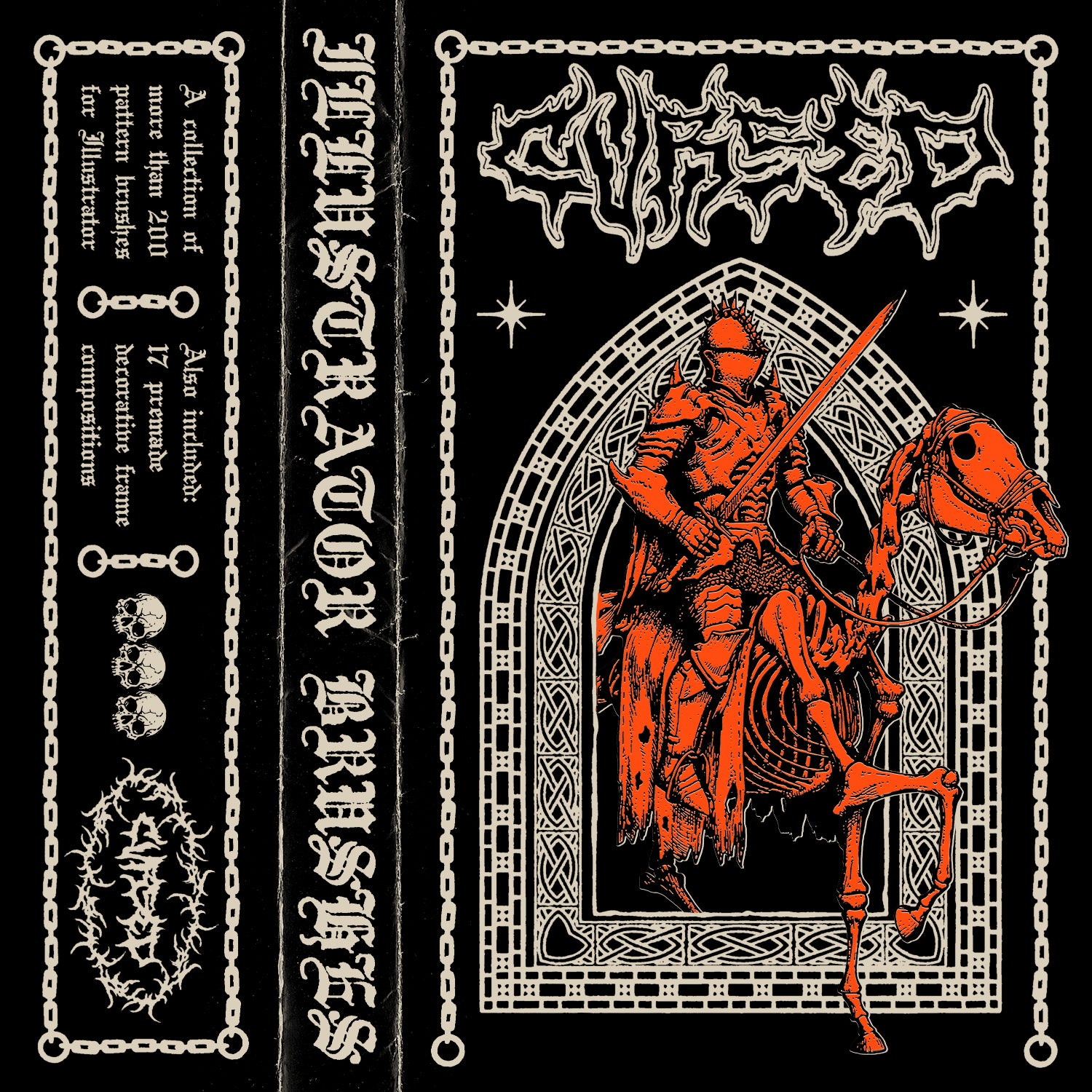
HVNTER's SMEGS typeface operates at the hand-drawn, ink-bleed end of the spectrum, which covers the rave flyer and streetwear-adjacent side of Y2K rather than the chrome-and-cyber direction. Two styles, full character sets, and the kind of imperfect ink weight that reads as physically made rather than digitally constructed. If the project calls for something that looks like it was produced in a sweaty basement at 2am rather than a clean studio, this is the right call. There's more grunge type worth digging through if this direction is where your work is heading.

Morpha Vol.1 by Kuro addresses the blob gradient problem, which is one of the most identifiable elements of the aesthetic and also one of the easiest to get wrong. Gradient blobs that look like stock filler are everywhere. Morpha's retro gradient shapes have the vibrance and the organic form that puts them in the right era without tipping into generic. Drag-and-drop into Photoshop or Illustrator, use as background elements or as the primary visual, and they anchor a layout in the colour logic of the period without requiring custom gradient work from scratch.

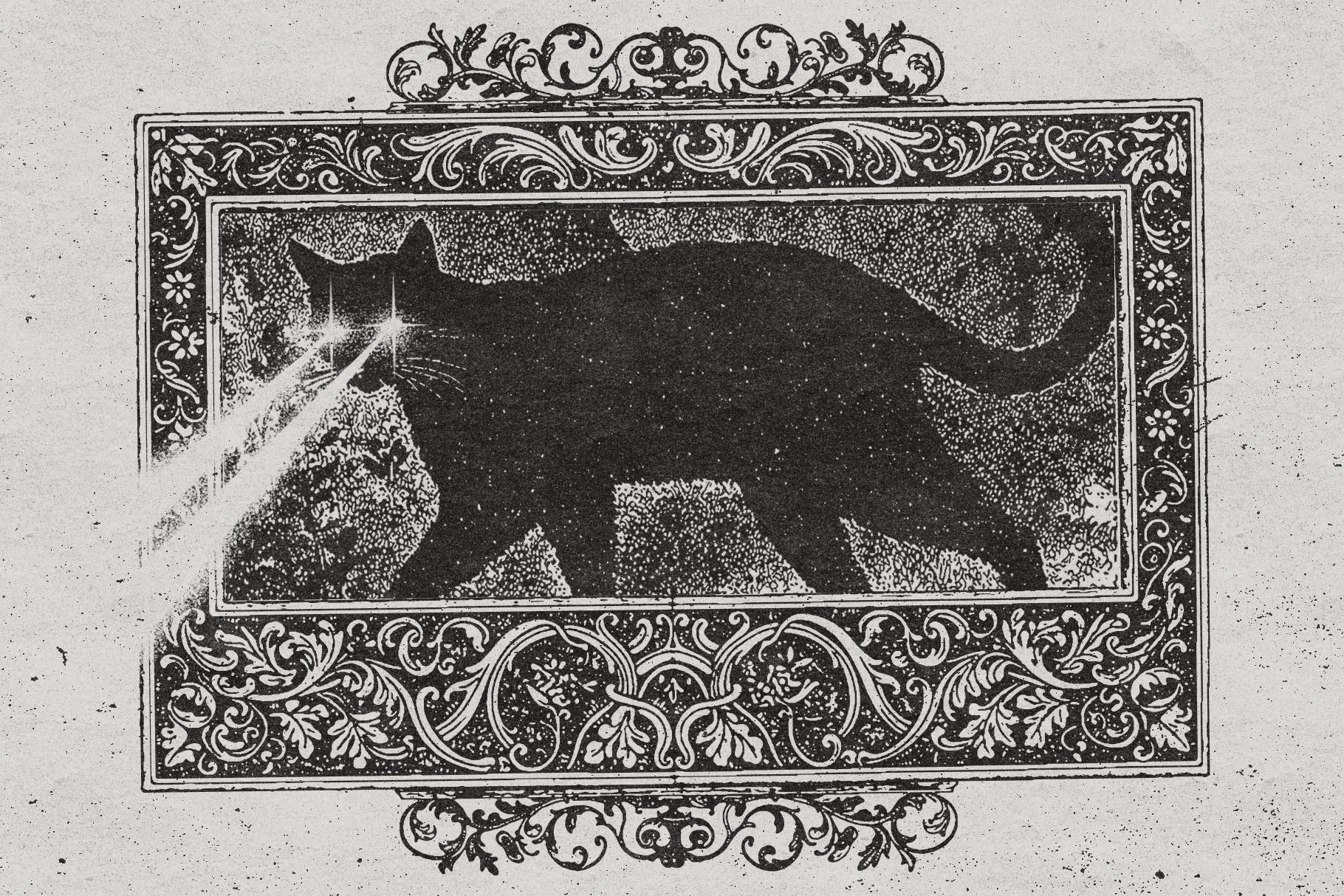
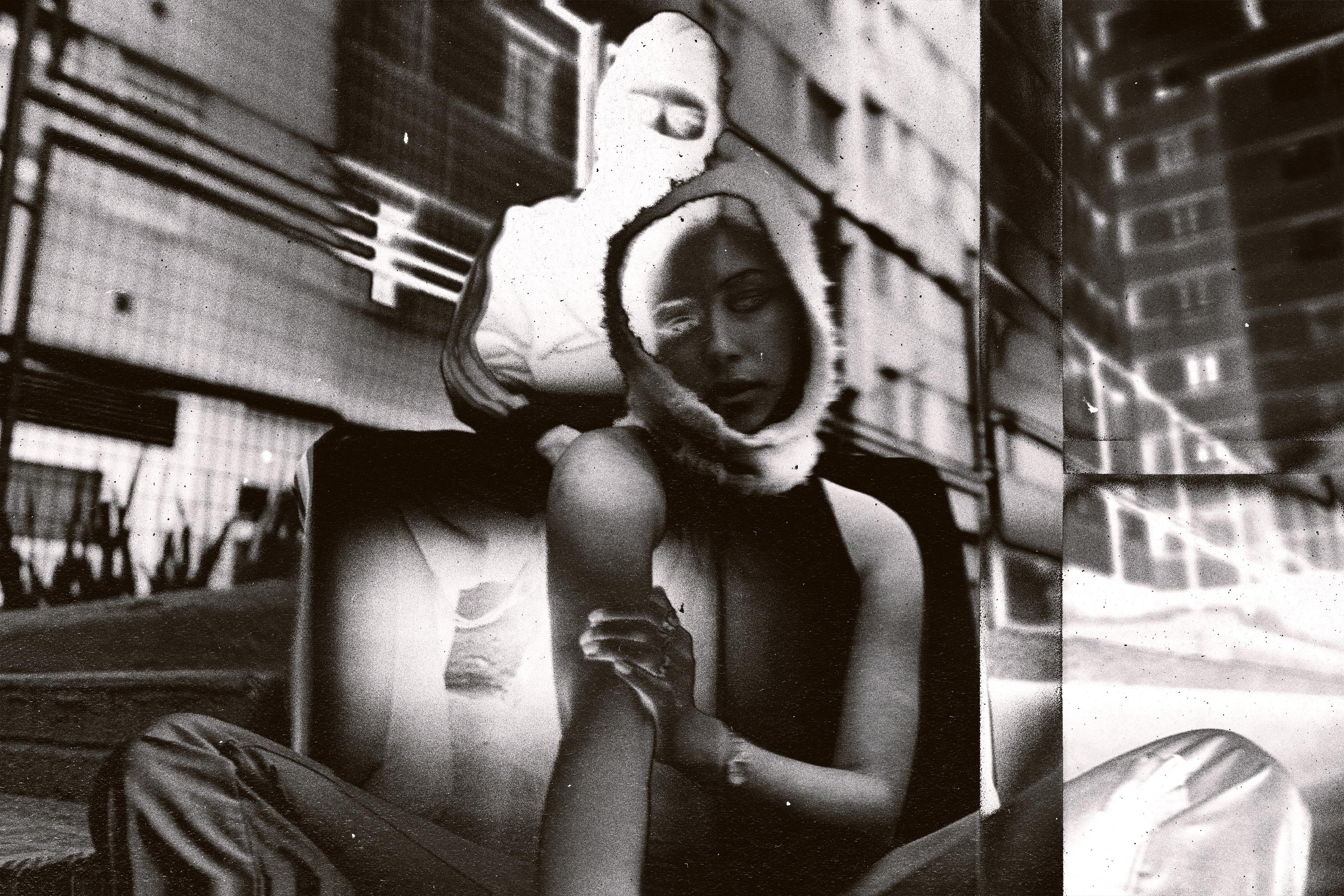
Pixel and bitmap texture is the surface detail that distinguishes constructed Y2K work from smooth contemporary design with Y2K type dropped in. Bio-Map by Vanzyst is a seamless pattern set built on dither and bitmap logic, the kind of low-res grain that reads as digitally native rather than photographic noise. The organic-meets-industrial character of the patterns means they work on apparel, packaging, and poster work without looking like a single texture applied everywhere. For anyone building out the layered surface quality that Y2K requires, this fills a specific gap. There's plenty more texture to work through if you want to build out a full surface vocabulary.

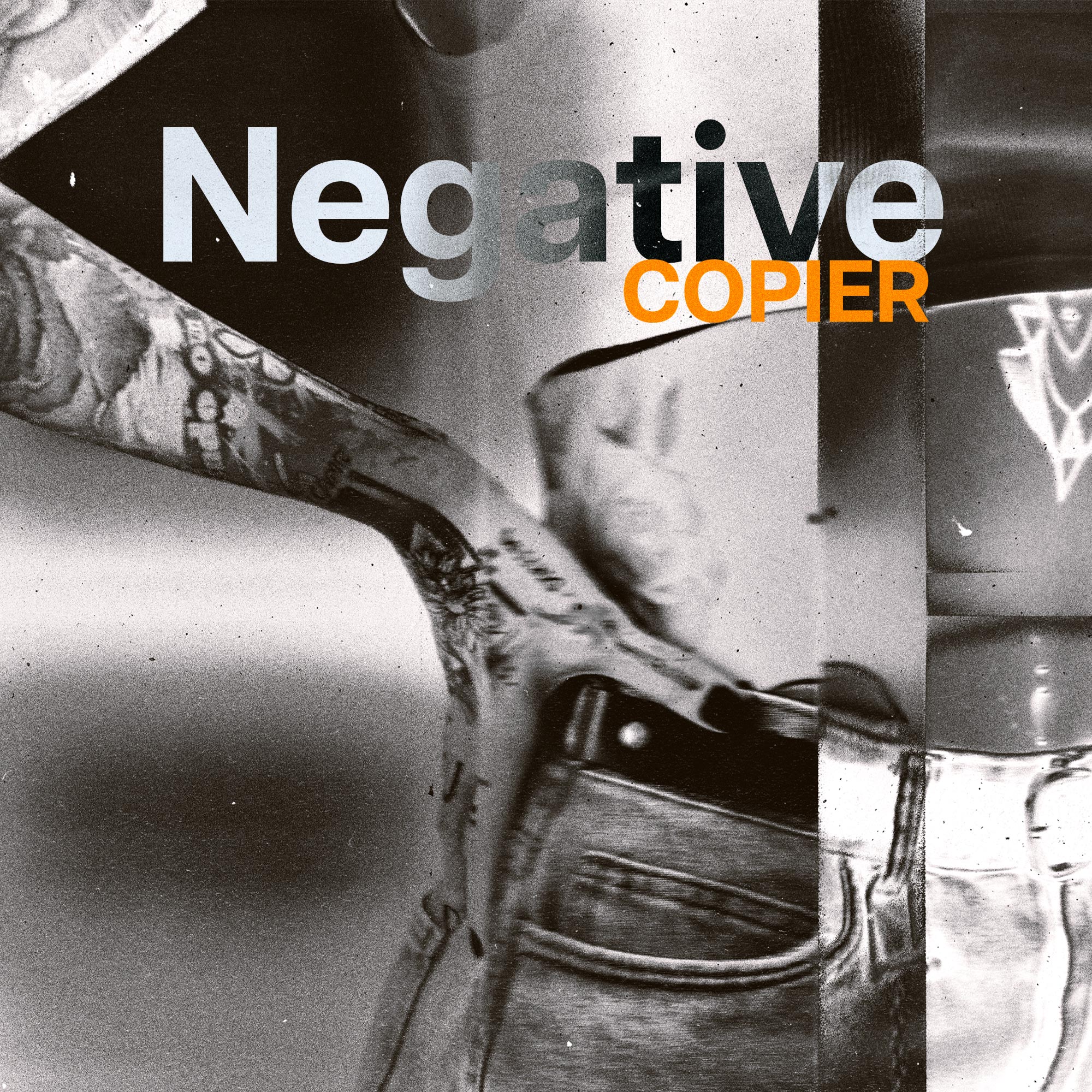
The Inky Text Effect from Pixelbuddha isn't Y2K in a strict sense, but it addresses the chromatic aberration and RGB-drift aesthetic that sits at the intersection of the era's glitch sensibility and the current acid-and-liquid visual moment. The effect spreads ink-like colour trails with RGB layers bleeding into fluid smeared gradients, giving letterforms the kind of colour instability that suggests analogue failure or chemical process. In a Y2K-informed layout, this is the element that adds the right amount of entropy to something that might otherwise look too composed.

How Long This Has Left
Most trend cycles burn out when the references become too legible, when the aesthetic becomes a shorthand that anyone can deploy without understanding it. Y2K is different because the visual language is genuinely complex. It has specific rules, specific tensions between maximalism and technical precision, between organic form and digital construction. Designers who've taken the time to understand it at that level are producing work that looks nothing like the surface-level versions. The gap between a well-executed Y2K piece and a lazy one is obvious to anyone who's spent time with the reference material.
The fact that it's also functioning as a craft signal right now, as proof that work was made by a person with a specific set of skills and a specific point of view, gives it a reason to exist beyond the trend cycle. That's not a guarantee it lasts forever. But it's a more solid foundation than most aesthetics get.