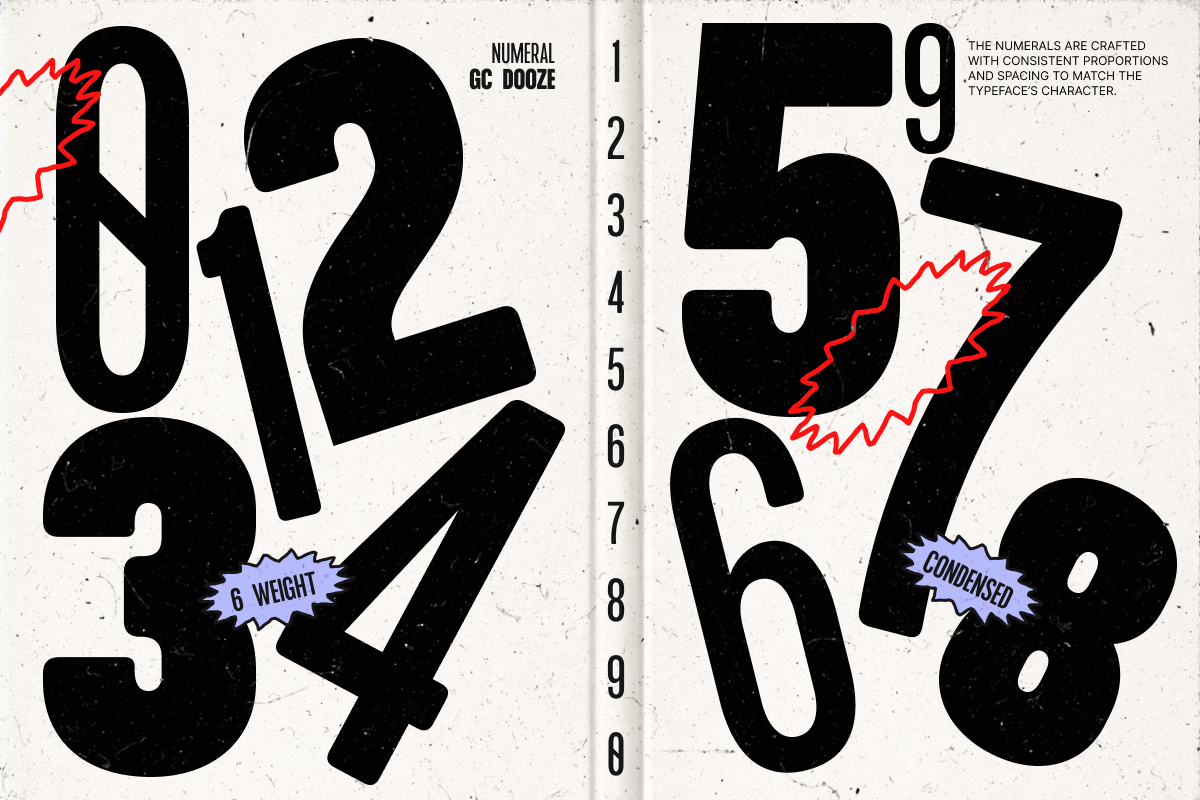
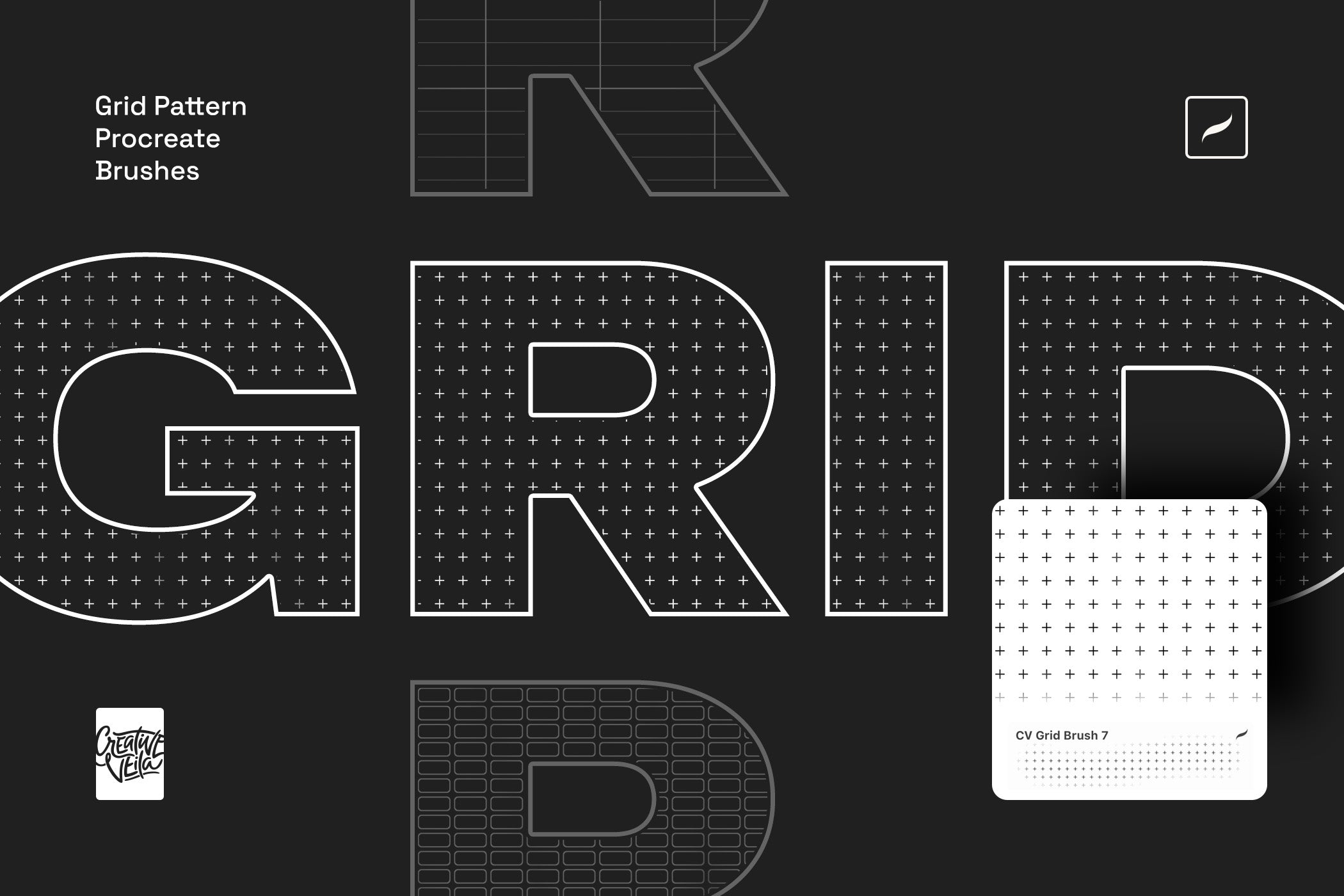
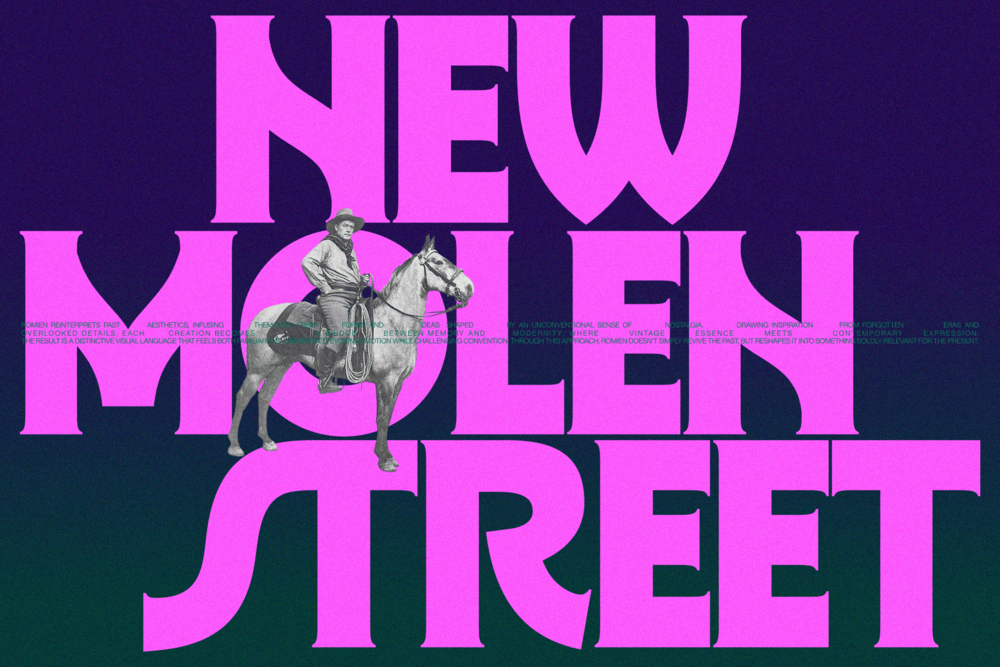
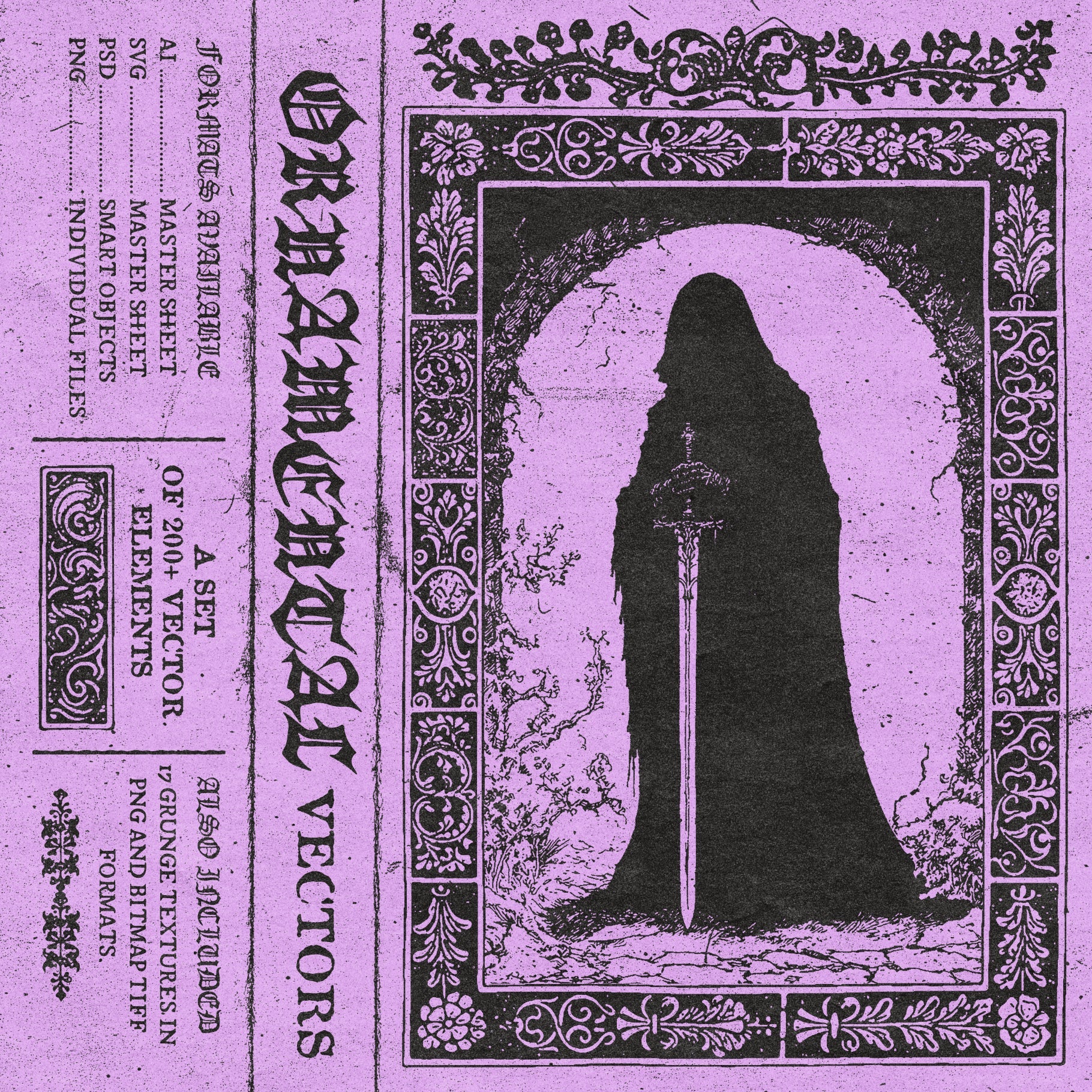
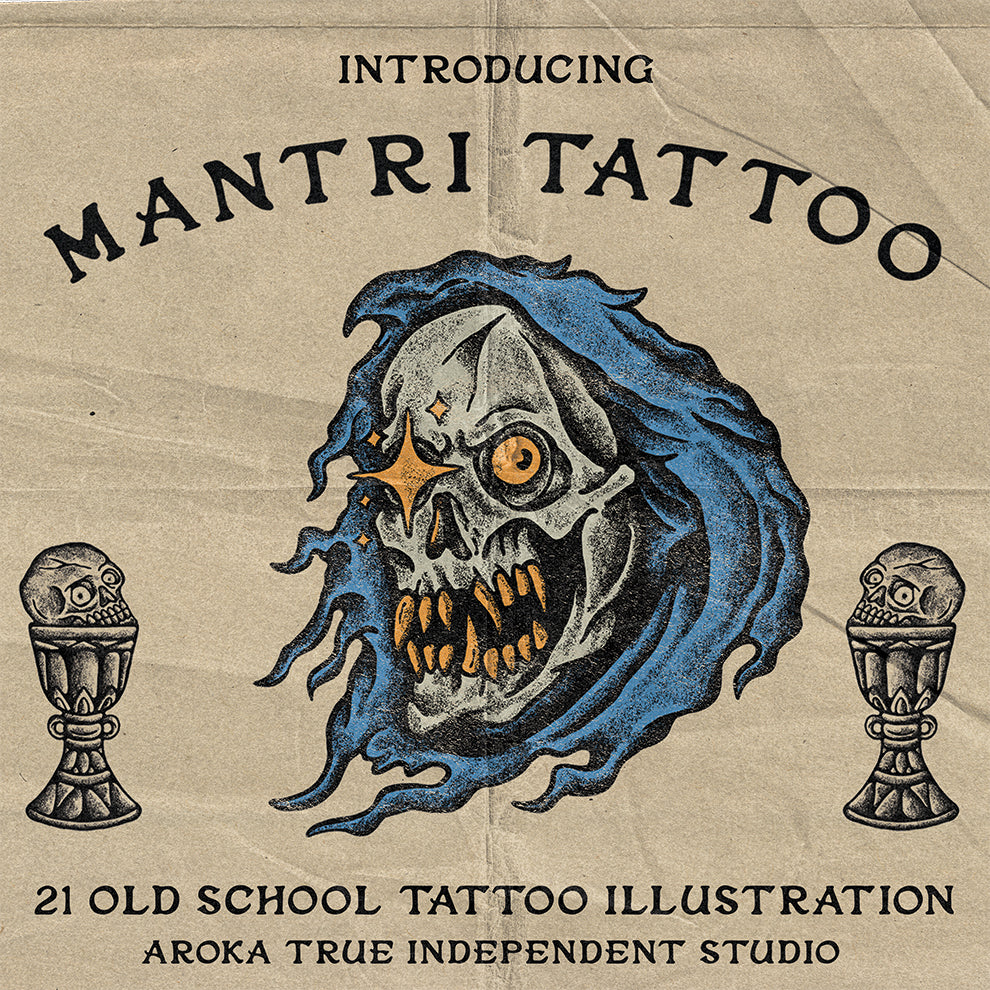
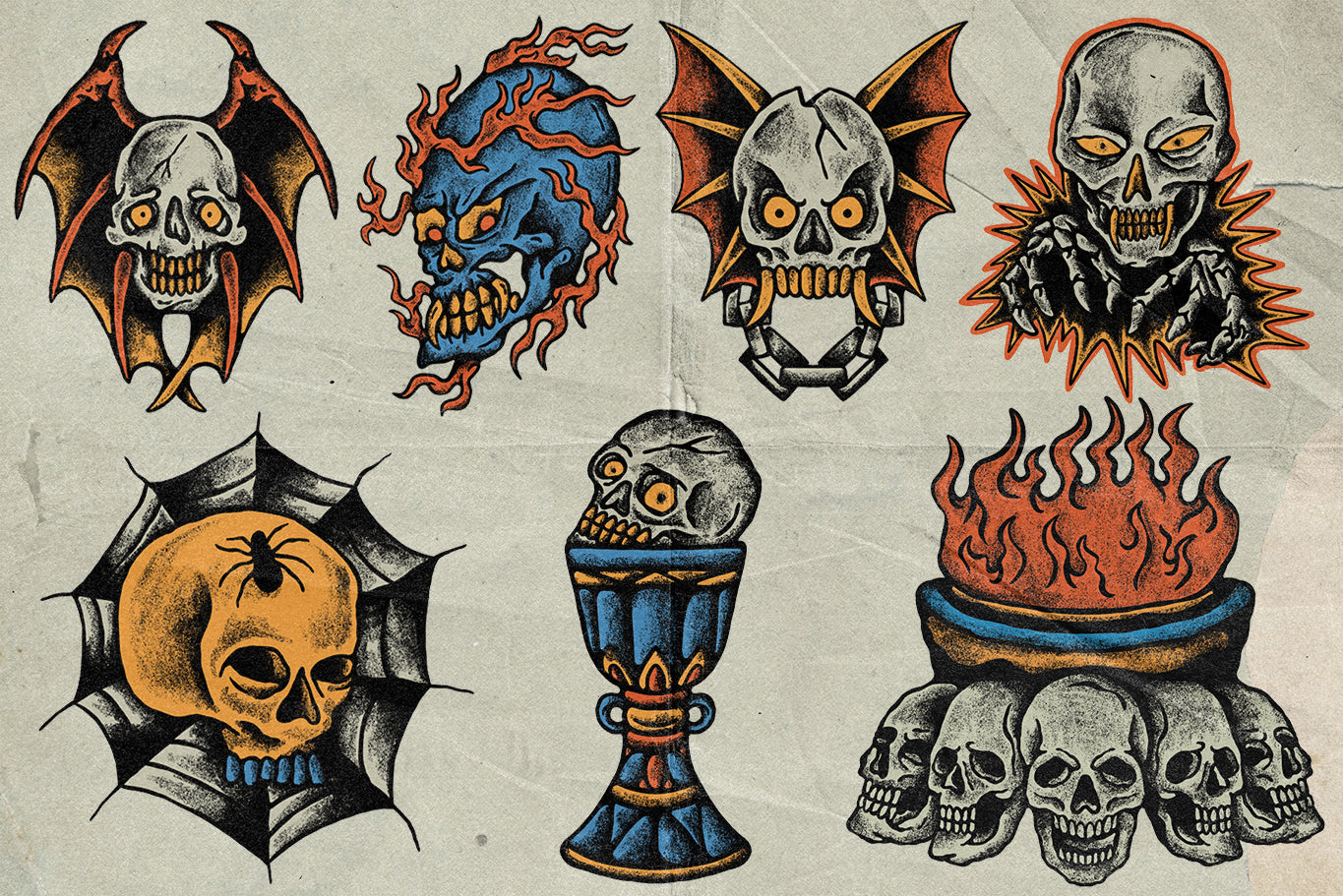
Something is happening to brand typography and it's not subtle. After a decade of geometric sans-serifs, rounded letterforms, and the kind of frictionless polish that could have been generated by an algorithm (and increasingly, was), designers are reaching for something that actively resists that smoothness. Heavy. Condensed. Raw. Constructed in a way that makes the construction visible. Brutalist typography is not a new idea, but its current presence in brand design is specific to this moment, and worth understanding clearly.
Why Now
The timing is not a coincidence. Brand identity through the 2010s converged hard on a particular set of visual signals: neutral geometric sans-serifs, balanced spacing, optical corrections that made everything feel engineered to perfection. Safe, professional, scalable. And then generative AI arrived and could produce that aesthetic on demand, at volume, in seconds. Suddenly the very polish that signalled quality started to signal something else: the absence of a decision. The absence of a person.

What's followed is a backlash that's showing up everywhere from streetwear to tech startups. According to research from dot2shape, brands across both sectors are adopting what's loosely being called neubrutalism, favouring uneven lettering, stark contrasts, and DIY-adjacent visual construction. Creative Bloq noted in 2026 that the "rigid hyper-minimalist era defined by uniform sans-serif branding is giving way to typography with real personality." Artcoast Design observed brands explicitly reaching for hand-cut, physically angular letterforms as a way to stand out from AI-generated smoothness. The language designers are using keeps circling back to the same ideas: deliberate, human, imperfect.
This is what brutalist typography communicates right now. Not toughness for its own sake. Authenticity as a position. A refusal of the frictionless.
What Brutalist Typography Actually Looks Like
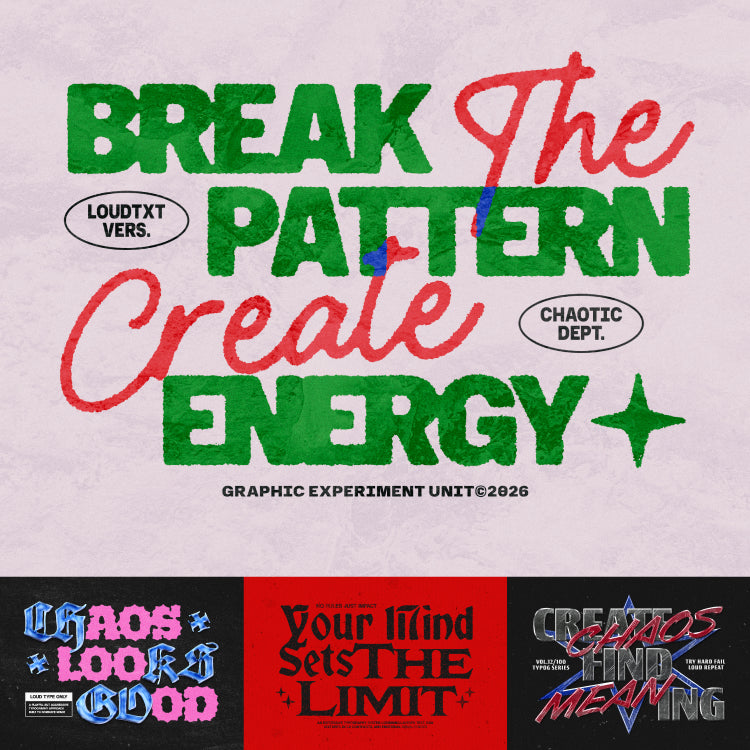
It's worth being specific, because "brutalist" gets applied loosely. In typography, the visual hallmarks are consistent: heavy weight, often condensed forms that create vertical tension on the page; raw construction where the logic of how the letterform was built remains visible rather than smoothed away; terminals that are stripped back or deliberately abrupt; spacing that doesn't defer to optical comfort; and a general rejection of the micro-corrections that make most contemporary type feel effortless. The effort, in brutalist typography, is the point. So is the tension between letterforms that don't quite resolve into harmony.
But brutalism is not one thing. The products sitting in this space right now demonstrate at least four or five distinct tendencies, and understanding the differences matters if you're going to use them well.
Textural Brutalism: Offset TM

Start with texture as a structural argument. Offset TM by Type Mania is built on 3,145 lines of code that drive an auto-shuffling system across three stylistic sets, cycling through grunge and erosion states without manual intervention. This is not a font that has been distressed in post. The distress is baked into the logic. Each render produces something slightly different, which means the imperfection isn't decorative, it's generative. For branding and poster work that needs to feel worn-in without feeling like it was artificially aged, this is the kind of tool that actually earns its rawness. The grotesk base keeps it legible under the grit, which matters more than people give it credit for when they're choosing textured display type.
Structural Brutalism: Foster Typeface

Where Offset TM works through surface, Foster Typeface by HVNTER works through construction. Over 100 glyphs, all A-Z plus numerals and symbols, with enough variation built in to build genuinely custom lettermark work. The geometry here is deliberate and exposed: you can see how each letter was assembled, which is precisely the point. This is brutalism in the architectural sense, where the structure isn't hidden behind a facade. It reads futurist in the way that early-2000s tech aesthetic did, before software companies discovered rounded corners and started trying to seem approachable. High contrast, hard edges, built for logo and identity work where you need the type to do the heavy lifting.
Systematic Brutalism: GC Gatuzo

Not every brutalist tendency is loud. GC Gatuzo by Glyphonic operates at the quieter end of the spectrum, a geometric sans built on clean, confident strokes with clarity as its primary value. The brutalism here is systematic rather than textural: strong geometric foundations, no concessions to ornament, nothing that isn't load-bearing. This is the typeface for brands that want to signal rigour rather than rebellion. It sits closest to the modernist tradition but with enough formal confidence to avoid reading as corporate. Think editorial, think brand identity for DTC products that want to appear engineered rather than styled.
Digital Brutalism: Digi Decay

Glitch as philosophy rather than decoration. Digi Decay by Softulka is a pixelated typeface with intentional gaps in the linework, inspired by broken code and the visual language of decayed technology. The rounded pixel construction creates something that sits at an interesting tension point: it's simultaneously retro-digital and genuinely contemporary, which makes sense given that pixel aesthetics have cycled back through multiple generations of designers who grew up on different hardware. What makes this brutalist rather than just nostalgic is the deconstructive logic. The gaps aren't where the resolution failed; they're decisions. For album art, poster work, or any brand context where the medium is part of the message, this is a strong and specific choice.
Industrial Futurist: REKRON

Four styles, each pushing further into the territory where typography starts to feel more like engineering schematic than text. REKRON by Enxyclo Studio draws from industrial and mecha-robotics aesthetics in a way that doesn't feel like costume. The letterforms are cut, angular, load-bearing. This is the kind of typeface that makes sense for gaming, techwear, or any brand that wants to position itself at the harder edge of futurist visual culture. The Y2K influence is present but it reads forward rather than backward, which is a harder thing to pull off than it sounds. Worth pairing with tight tracking and high-contrast backgrounds if you want it to land properly.
Popist Brutalism: FBS Nacho

Brutalism doesn't have to be cold. FBS Nacho by Febspace Studio is chunky, bold, and carries the kind of energy that makes sense on merch, on posters, on anything where legibility at a distance and immediate visual impact are non-negotiable requirements. The four styles, including regular, soft round, and two shadow variants, give it enough range to work across formats. The shadow options are particularly useful for layered compositions where you want the type to feel physical. This sits in the tradition of display type that draws on 70s and 90s sports and music graphic design without feeling like pastiche, because the weight and confidence of the letterforms are contemporary enough to carry it forward.
Brutalist Visual Systems: 420 Logo Elements V.02

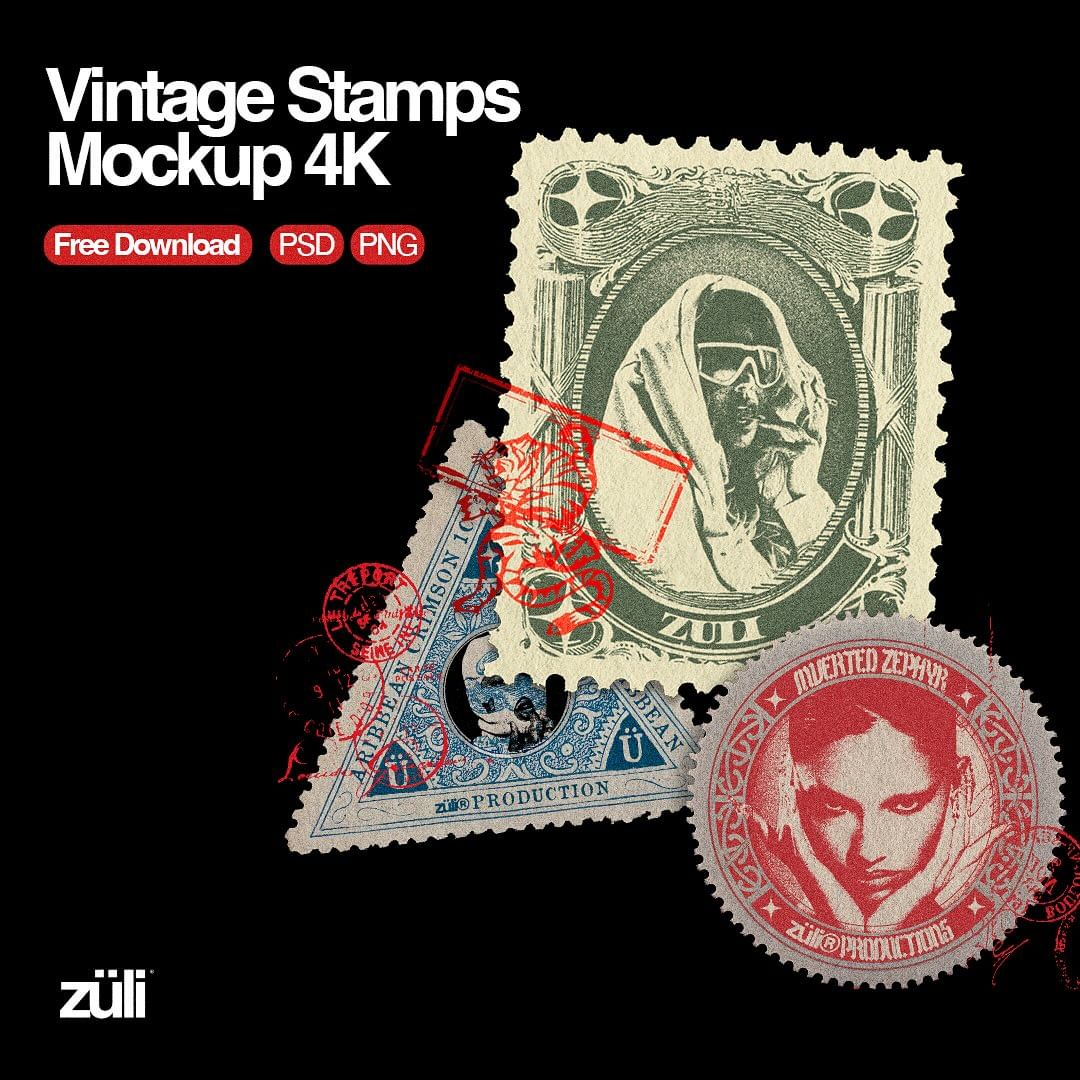
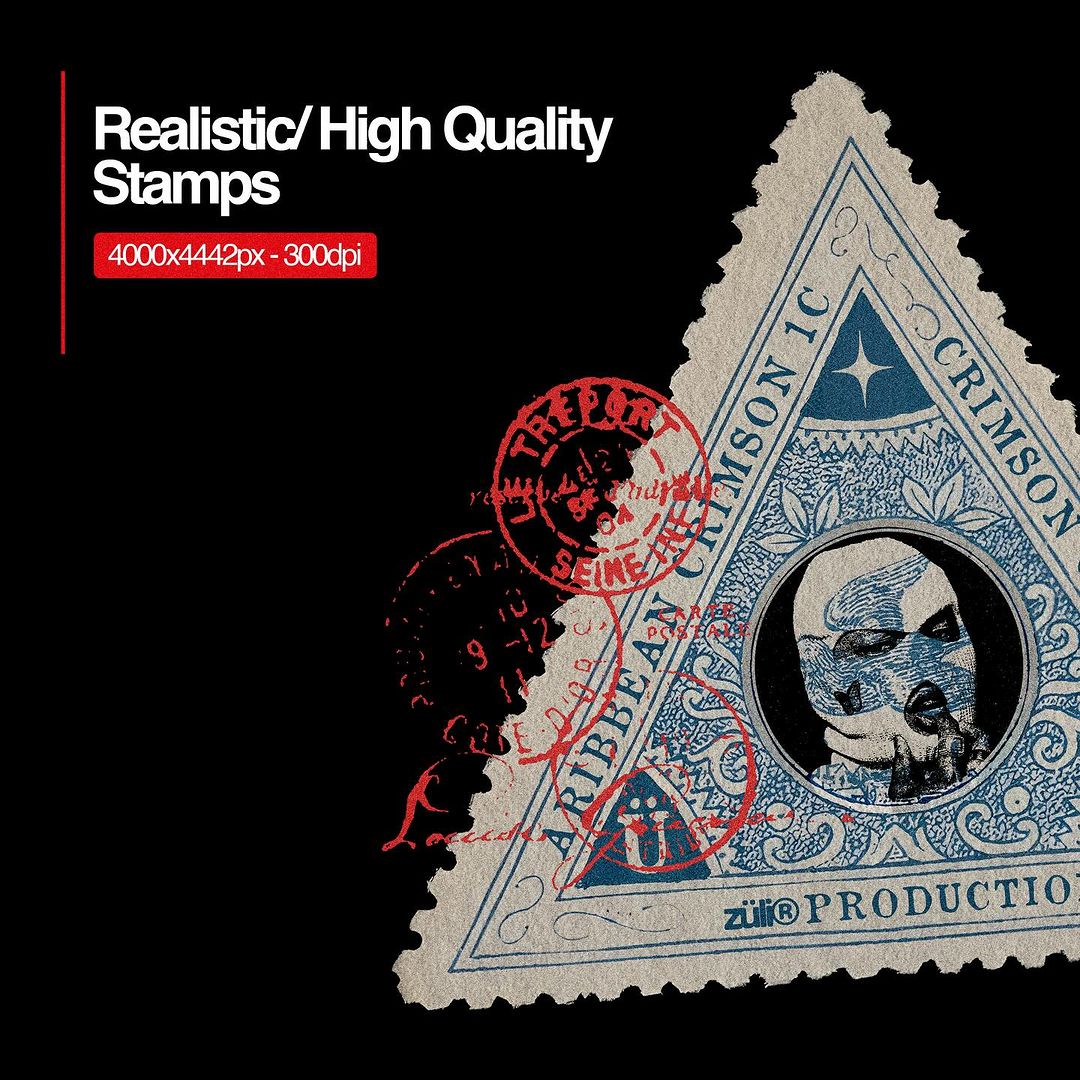
Typography doesn't operate in isolation. 420 Logo Elements V.02 by Züli is a shapes and logo elements pack that works in the same visual register as the typefaces above: five packs across pixel, inked, and grunge treatments, covering the supporting visual language that brutalist brand identities need around the type. If you're building a full streetwear brand identity or a logo system that needs to feel constructed rather than generated, this is what you reach for to complete the picture. The pixel and inked variants in particular are more versatile than they first appear, scaling from small logo elements to larger compositional pieces without losing integrity.
Presenting It: Hanging Expo Banner Mockup

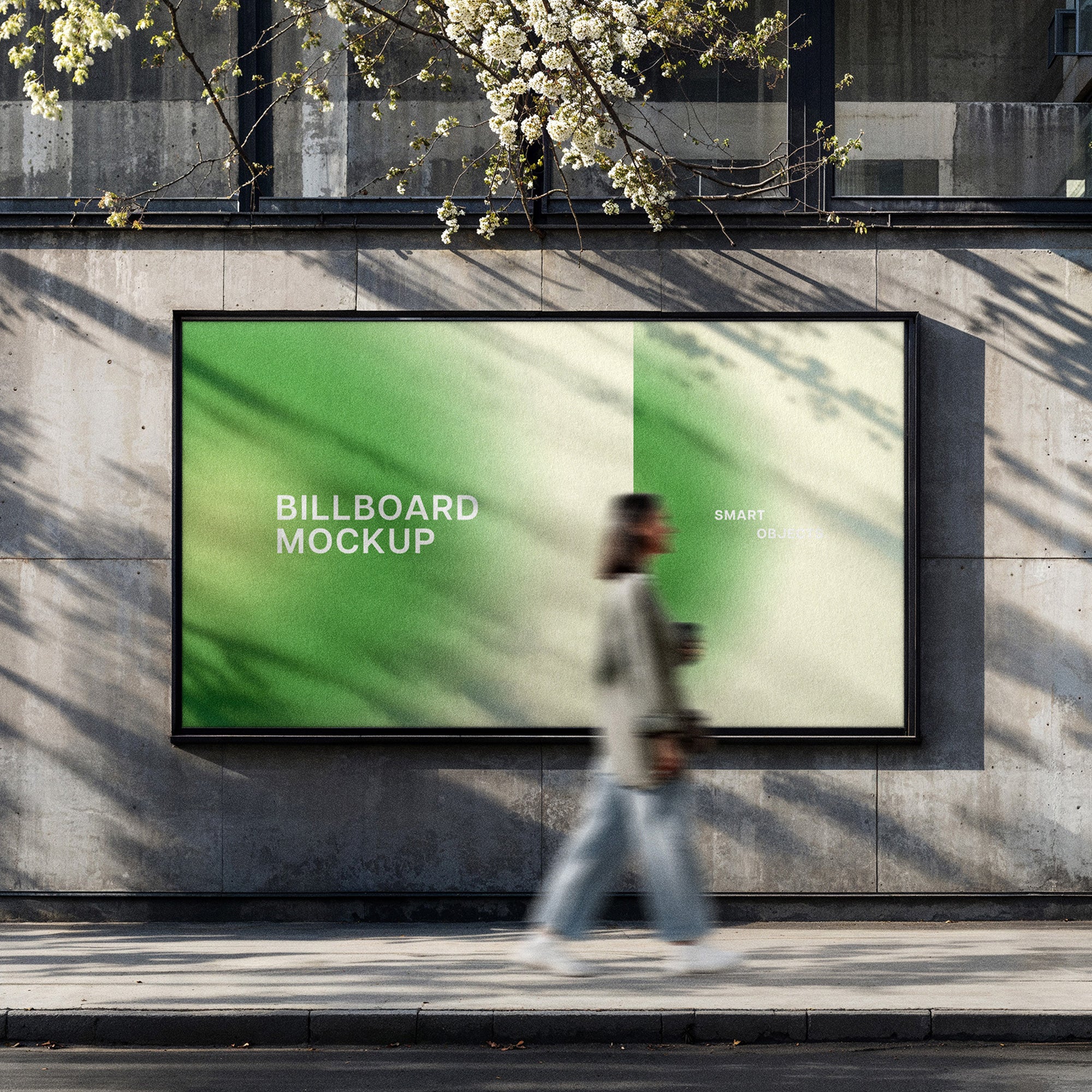
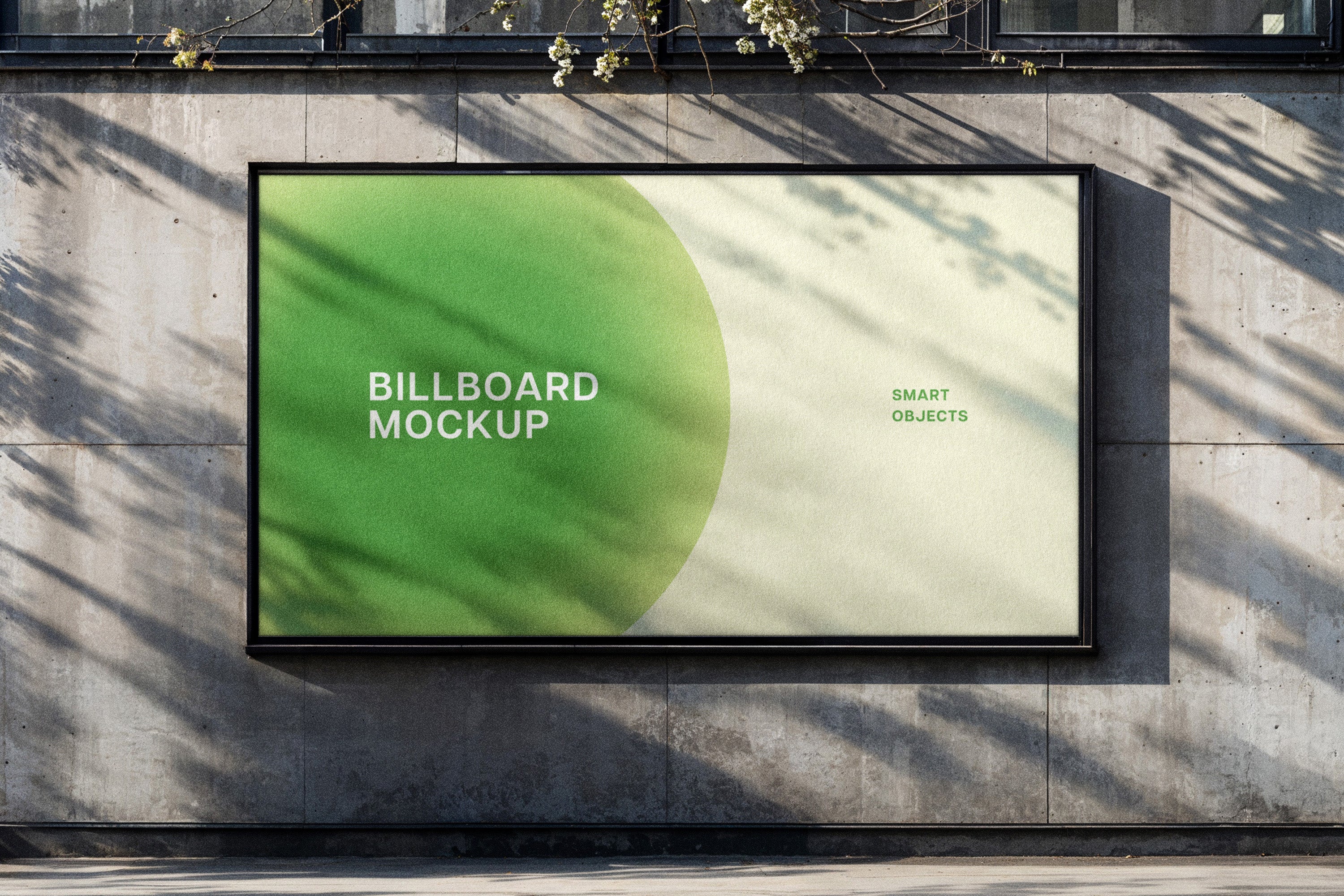
The Hanging Expo Banner mockup by Blank Studio is worth naming directly because the context matters as much as the product. This is the Monolith Event collection, brutalist architectural event environments for presenting branding work. Raw concrete, industrial scale, dramatic lighting. If you're pitching a brutalist brand identity to a client, the environment you present it in shapes how they read the work. A polished lifestyle mockup will undercut the intention. These environments understand that and give you something that holds the work in the right light, literally.
The Bigger Picture
What HansCo Studio identified as "anti-design typography" moving into mainstream brand direction in 2026 isn't really anti-design. It's anti-default. The designers reaching for brutalist type aren't rejecting craft; they're rejecting the specific version of craft that became indistinguishable from automation. Every irregular terminal, every visible construction, every deliberate tension between letterforms is a legible signal: a human made a decision here. In a moment when that's genuinely uncertain, it turns out that signal is worth quite a lot.
Fontfabric's 2026 research put it well: the brands getting this right are the ones using AI for ideation and then deliberately breaking with grain, messy typography, and unexpected crops. The roughness isn't naivety. It's the move.
If you're working in this space, there's more worth digging through in our staff picks, and plenty more branding fonts and mockups if you want to keep building out the toolkit.