A display font earns its keep at headline scale or it doesn't earn it at all. The ones that survive that scrutiny share something specific: decisions in the letterform construction that look intentional at any size, not just at thumbnail scale in a mockup. These are the fonts that hold up when the client asks you to push the headline bigger, and bigger again. Seven picks from the Studio 2am team.
TRT Midgod by True Type Lab

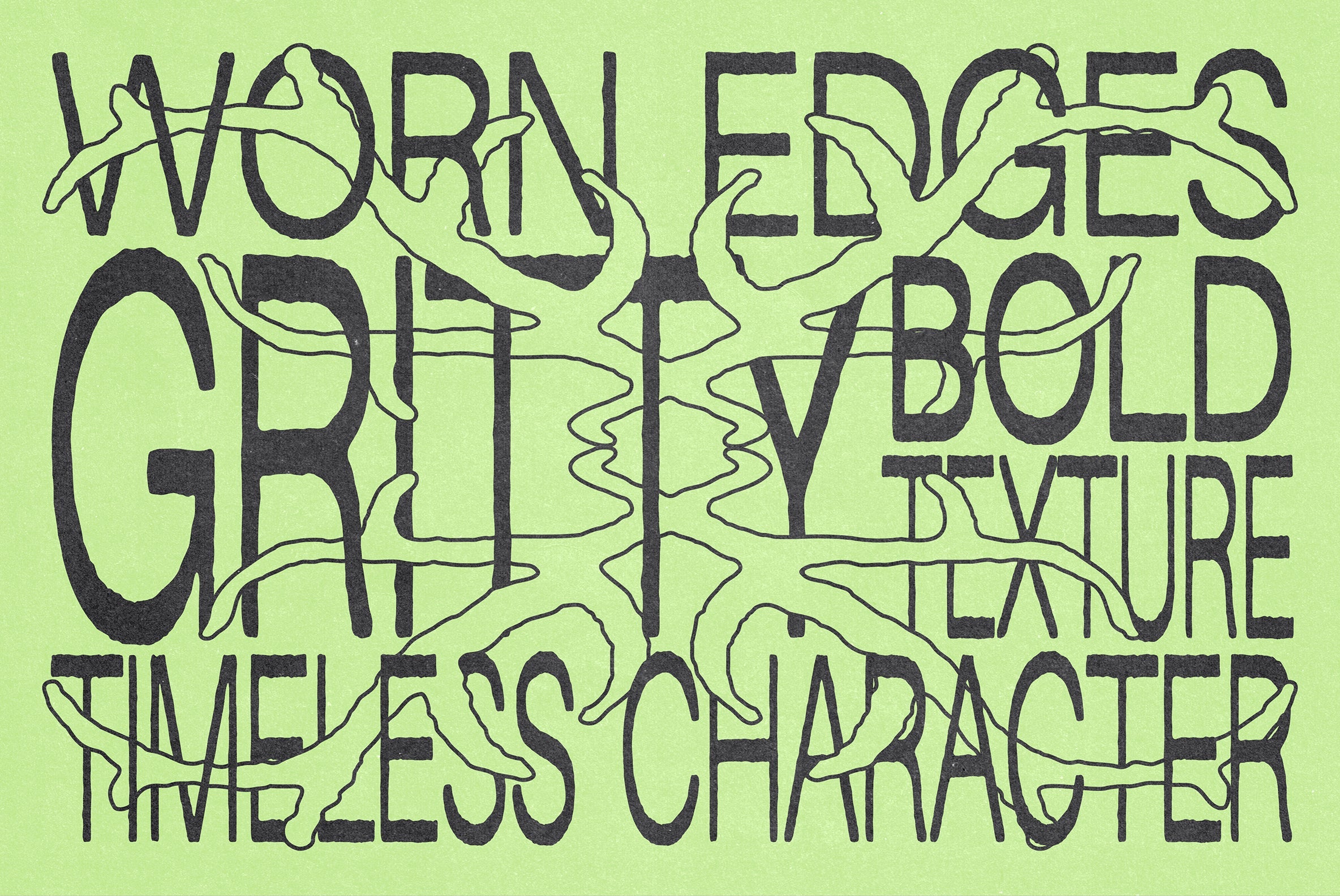
Ink traps are one of those details that separate type designers who understand letterpress history from those who just looked at a reference image. TRT Midgod uses deliberate ink trap construction at the joints, which at display scale creates a controlled tension that reads as precision rather than flaw. The condensed proportions make it a natural for editorial poster work and vertical headline treatments. Stack it tight, set it large, and there's nothing soft about it. Strong fit for streetwear campaigns, culture publications, and anything that needs to feel current without being trend-dependent.
PS Apex Pits by Posche Type

Sharp angles, monolinear strokes, and a tall x-height that does serious work in display applications. Apex Pits sits squarely in geometric industrial territory without tipping into generic futurism. The letterform construction reads as structural rather than decorative, which matters when you're working on briefs where the type needs to carry weight, not just style. Motorsport branding, gaming titles, sports event identity, activewear campaigns. The kind of font that makes a brief feel resolved the moment you drop it in at headline scale.
Mend Typeface by hvnter

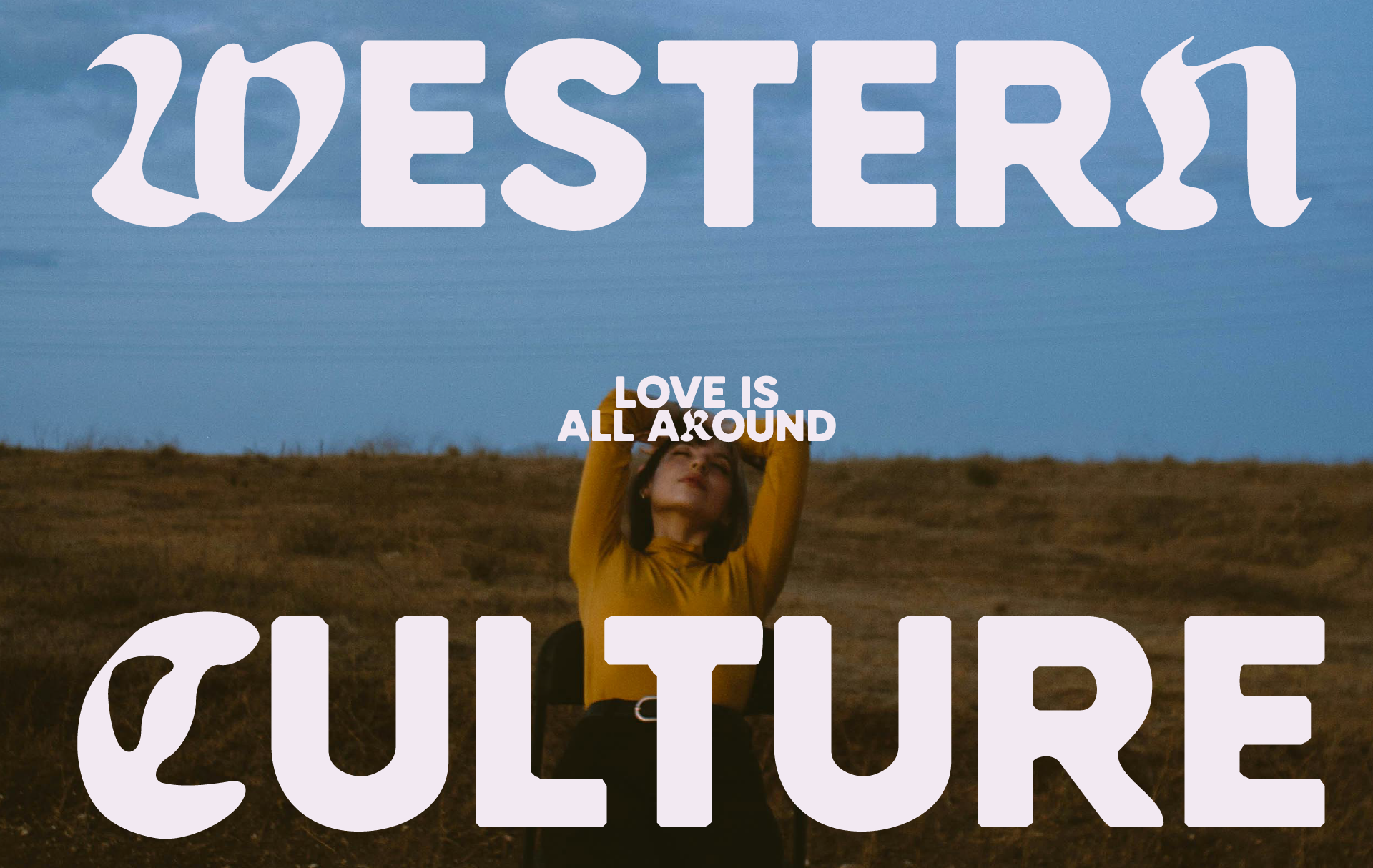
Slab serifs live or die on how the serifs themselves are handled, and Mend makes a clear architectural choice: heavy, unbracketed, and unapologetic. The construction sits somewhere between mid-century commercial and contemporary brutalism, three weights giving you enough range to build hierarchy without switching families. It pulls from western wood type heritage but doesn't feel nostalgic about it. Better for brand identity work, poster design, and logos where you want authority without resorting to something everyone already recognises. hvnter has a specific sensibility and Mend reflects it clearly.
CS Felice Mono by Craft Supply Co

Most monospaced fonts are built for code editors. CS Felice Mono is built for designers who want the utility of fixed-width spacing applied to something that actually looks considered at display scale. The character construction is geometric and precise, with a stillness that reads well in editorial layouts, UI mockups, and tech-adjacent brand work. Set it at headline size and it brings a structured, almost clinical clarity that warmer sans-serifs can't offer. If you're doing anything in the fintech, software, or data design space, this is the kind of typographic choice that signals you understand the context.
Barok Display by God Control

There's a category of display font where the complexity only becomes visible at size, and Barok sits firmly there. Every character is constructed, not drawn, with hard cuts and engineered geometry that lock into a mechanical rhythm across a headline. At small sizes it reads as a bold industrial sans. At 200pt, the controlled tension in those letterforms becomes the whole point. The brief description from God Control is accurate: subtle isn't what this font is for. Album art, dark editorial, event identity for anything with edge. If you're after more display fonts with that kind of structural intensity, there's plenty more to dig through.
GC Epic Pro by Glyphonic

Extended proportions are a specific typographic tool and GC Epic Pro uses them with intention. The letterforms are wide, clean, and built on geometric consistency, which gives headlines a horizontal authority that condensed fonts can't replicate. Where condensed display fonts demand vertical space, Epic Pro demands the full width of the canvas, and it fills it well. Tech branding, sports logos, entertainment titles, packaging where the name needs to stretch and own its real estate. A variable font with enough versatility to move across applications without losing its identity.
Kraft Typeface by hvnter

Racing-inspired design gets lazy fast, but Kraft avoids the obvious traps. The letterforms carry the energy of motorsport typography without leaning on clichés, and the multiple alternates per letter mean you can customise headlines in ways that feel designed rather than default. Access those via the glyphs panel and you start to see how much optionality is built into the system. Cyberpunk adjacent without being literal about it. Strong for logo work, merch, and poster headlines where the type itself needs to feel like part of the art direction. A good one from hvnter. There's more in this space worth exploring if this is the direction you're working in.