
AI can generate technically perfect type on demand now. Clean, balanced, optimised, completely interchangeable. Which is exactly why hand-drawn letterforms are doing more commercial work than they have in years. Visible imperfection has become a credential. Uneven strokes, ink texture, irregular baselines: these aren't flaws to fix, they're signals that a human made something. Brands in streetwear, food and beverage, music, and DTC lifestyle have worked this out. The question isn't whether to use hand-drawn type in branding right now. It's which kind, and for which client.
These eight fonts cover the full range: loose zine energy, graffiti-derived paint and marker, ancient mural lettering, psychedelic retro display, dual-personality sans and script, bold acrylic brush, sign-painting heritage, and distressed punk sans. Not cute fonts. Useful ones.
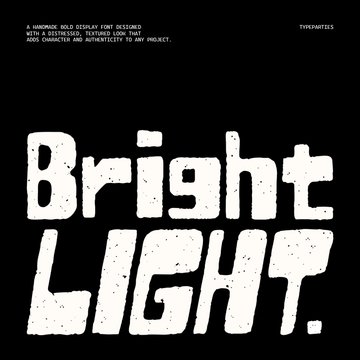
Lazy Daze by Typeparties
Picture the lettering someone does in the margin of a notebook when they're half-paying attention in a meeting and somehow it comes out looking great. That's the energy Lazy Daze is working with. The strokes are loose, the letterforms slightly uneven, the whole thing feels immediate rather than laboured. It reads as genuinely sketched rather than stylised-to-look-sketched, which is a harder line to walk than most hand-drawn fonts manage.
This one lands well on brands that want personality without aggression: small-batch food products, indie lifestyle labels, zine-adjacent editorial work, social content for brands that need to feel like a person made them. It has enough grunge in its bones to feel current without alienating a broader audience. If your client is a DTC snack brand or an independent clothing label trying to sit somewhere between approachable and cool, Lazy Daze is a strong starting point.
Street Punks by Wingsart Studio
Two styles, one rooted in marker pen and one in paint brush, both pulled from graffiti and skate culture with enough authenticity to hold up in streetwear contexts. Street Punks comes loaded with alternates, which matters here because nothing kills the handmade illusion faster than identical repeated letters. The alternates give you that natural variation you'd get from actual hand lettering without the time investment.
The obvious use cases are merch, skate brand identity, and music packaging. But the marker style in particular has a lot of range: it can work on zine covers, event posters, limited-run product labels, anything that wants to communicate that it came from the street rather than a boardroom brief. If you're working with clients in the streetwear or music space and need more grunge fonts worth a look, there's plenty to dig into.
SANOLIA by AROKA TRUE INDEPENDENT STUDIO
Inspired by cave paintings and mural art, SANOLIA sits in its own category. This isn't brush lettering or graffiti or zine scrawl. It's something older-feeling: letterforms that carry the weight of something drawn onto a surface that wasn't designed to be drawn on. There's warmth and grit in equal measure, and the overall effect reads as hand-hewn in a way that most "handmade" fonts don't achieve.
The strongest applications are packaging and brand identity for products that want to invoke provenance and craft without being literal about it. Think independent pottery studios, small-batch coffee roasters, natural wine labels, artisanal food brands. It also works hard in logo design where the brief calls for something with a sense of history. The included icon source files are a useful bonus for building out a cohesive visual language around the type.
Vacene by hvnter
Rounded, inflated, and packed with retro energy that leans toward the psychedelic end of the early-seventies spectrum. Vacene has that slightly wobbly quality where every letter looks like it was drawn with a felt-tip on a warm afternoon and nobody was in a hurry. The letter variations are the key feature here: swap them in and you immediately break the mechanical repetition that gives away a digital font.
Where this earns its place in a branding toolkit is anywhere the brief calls for bold, fun, and a bit surreal. Festival merch, music event identities, streetwear graphics that want some retro warmth, social content for brands with a playful personality. It's a display font with genuine presence at large sizes, and the alternates give you enough flexibility to use it across multiple touchpoints without it going stale.
Bolze by Marvadesign

A font duo that actually makes sense as a duo. The sans is bold, rounded, and vintage-flavoured without being locked to a specific decade. The script has enough looseness to feel handwritten but enough structure to be legible at smaller sizes. Together they cover the two most common type relationships in brand identity: the workhorse headline and the softer supporting voice. Having both drawn from the same visual DNA means hierarchy and harmony come built in.
Bolze solves a specific brief: clients who want retro character but need the type system to do real work across applications. Think food and beverage packaging, independent café branding, poster work, logo lockups that need to carry both a name and a tagline. The vintage warmth reads across decades without landing too hard on any single one, which keeps it useful rather than costumey.
Amber Dawn by Set Sail Studios
Painted with an actual brush using acrylic ink, which shows. The texture here isn't simulated: you can see the bristle drag, the ink variation, the places where the brush lifted slightly. Amber Dawn is bold and chunky with an erratic baseline that gives it genuine energy rather than performed energy. That distinction matters. There are a lot of brush fonts that look like someone told Illustrator to add wobble. This one looks like someone painted it.
It's built for brands that want to be loud in a warm way. Kids' product lines, youth-oriented lifestyle brands, independent food and beverage labels, social content that needs to stop a scroll. The boldness means it holds up at small sizes on packaging, which is a practical advantage over more delicate brush scripts. Use it for brand names, short headlines, product names, anything where the lettering needs to carry personality as much as information.
Sign Painter Sans by Ulysses Design Co

Sign painting is a craft tradition with serious visual heritage, and Sign Painter Sans draws directly from it. The letterforms have the confident irregularity of type that was designed to be executed by hand at scale: slightly varied stroke weights, subtle imperfections that feel intentional rather than accidental, a warmth that clean geometric sans serifs simply can't manufacture. It's informed by mid-century commercial lettering in a way that feels researched rather than referenced vaguely.
The commercial applications are broad but specific. This works for hospitality branding where warmth and craft are the whole point: restaurant identities, café signage systems, bottled goods, deli packaging. It also earns its place in heritage brand work, where a client wants to communicate longevity and handcraft without resorting to a serif that reads as fusty. If you're working on brand identities that need to feel grounded and genuine, there's more vintage-leaning type worth digging through.
Scratch Storm by Softulka
Where most of the fonts in this list are defined by their softness, Scratch Storm goes the other direction. Two weights, regular and bold, both built around rough edges, intentional damage, and the visual language of bad printing and DIY punk production. It's a sans-serif in structure but the texture pushes it well outside conventional sans-serif territory. Think photocopied flyers, screen-printed tees, lo-fi zine culture, the kind of type that looks like it survived something.
The branding use cases are niche but they're real: underground music labels, independent streetwear with a confrontational edge, skate brands, event identities for anything that lives in a warehouse or a basement venue. The bold weight is particularly strong for single-word headlines and logo treatments where maximum impact at minimum complexity is the goal. This is type with a point of view, and the right client will recognise it immediately.